The walls of a great hotel do quiet, hard work. They set a mood in the first three seconds of the lobby and hold up to thousands of hands, suitcases, and cleaning carts a week.




Why hotels reach for wallcovering
Paint on a hotel wall shows every scuff within a season. Wallcovering hides minor wall flaws, takes abuse in corridors and elevators, and gives a room a finished, layered look that flat color cannot. That is why the lobbies and suites people remember almost always have covered walls, not painted ones.
Hospitality also buys on performance, not just looks. The materials specified for guest floors are rated for wear, cleaning, and fire safety, so the same finish that reads as plush in a suite can survive a decade of turnovers in a busy property.
Where the drama lives
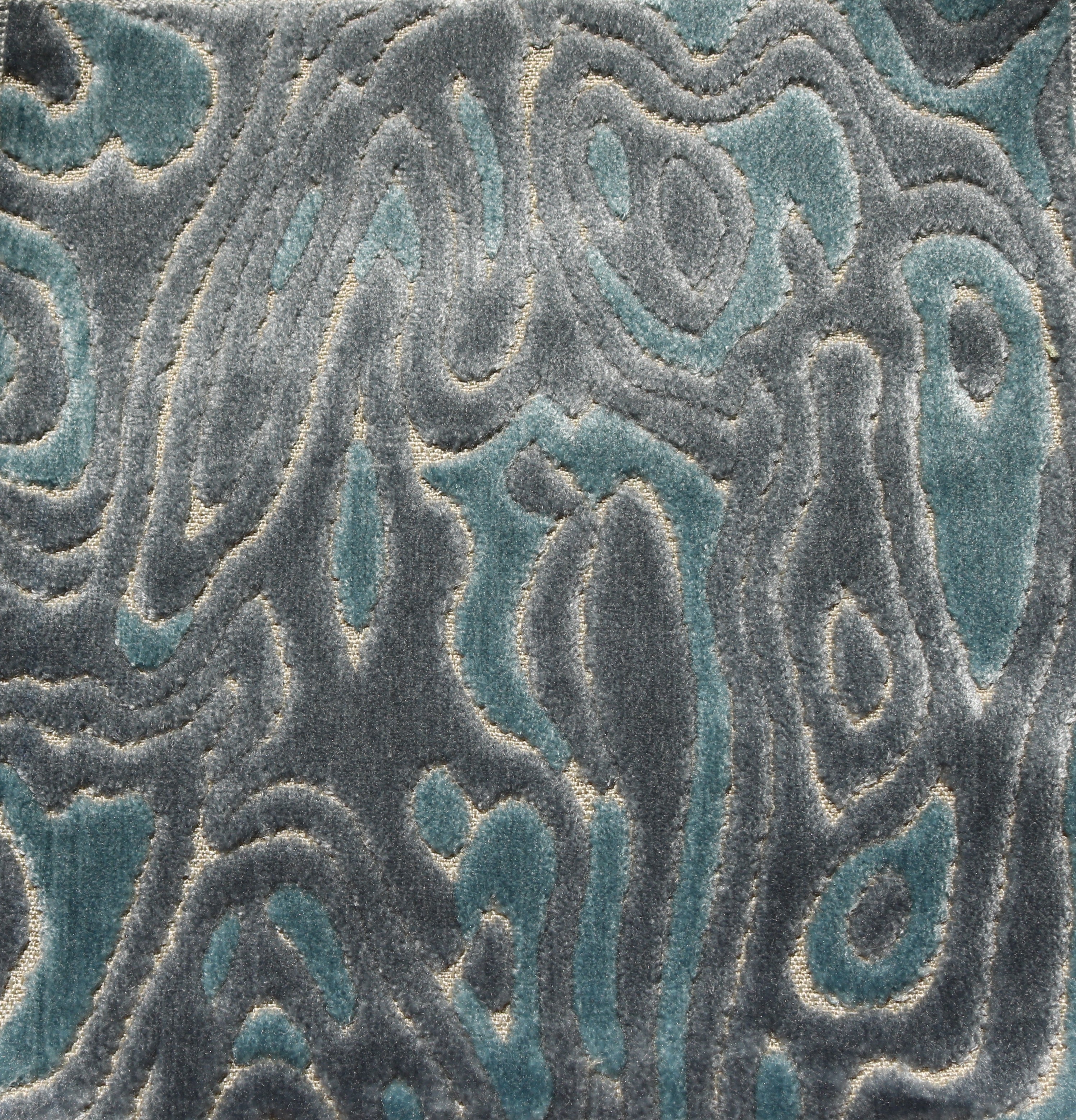
A hotel spends its boldest patterns where guests pause and look up: the lobby feature wall, the corridor that leads to the elevators, the back wall of a bar. Large-scale scenics, metallic grounds, and deep textural weaves work here because the space is grand and the moment is brief.
Guest rooms play the opposite game. The headboard wall might carry one confident pattern while the other three stay calm, so a tired traveler can actually rest. This contrast, loud in shared space and settled in private space, is the core move of hospitality design you can borrow at home.
Bringing the hotel feeling home
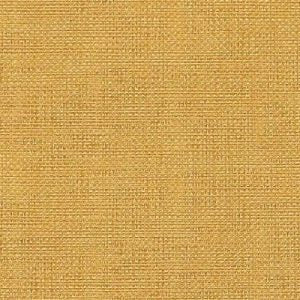
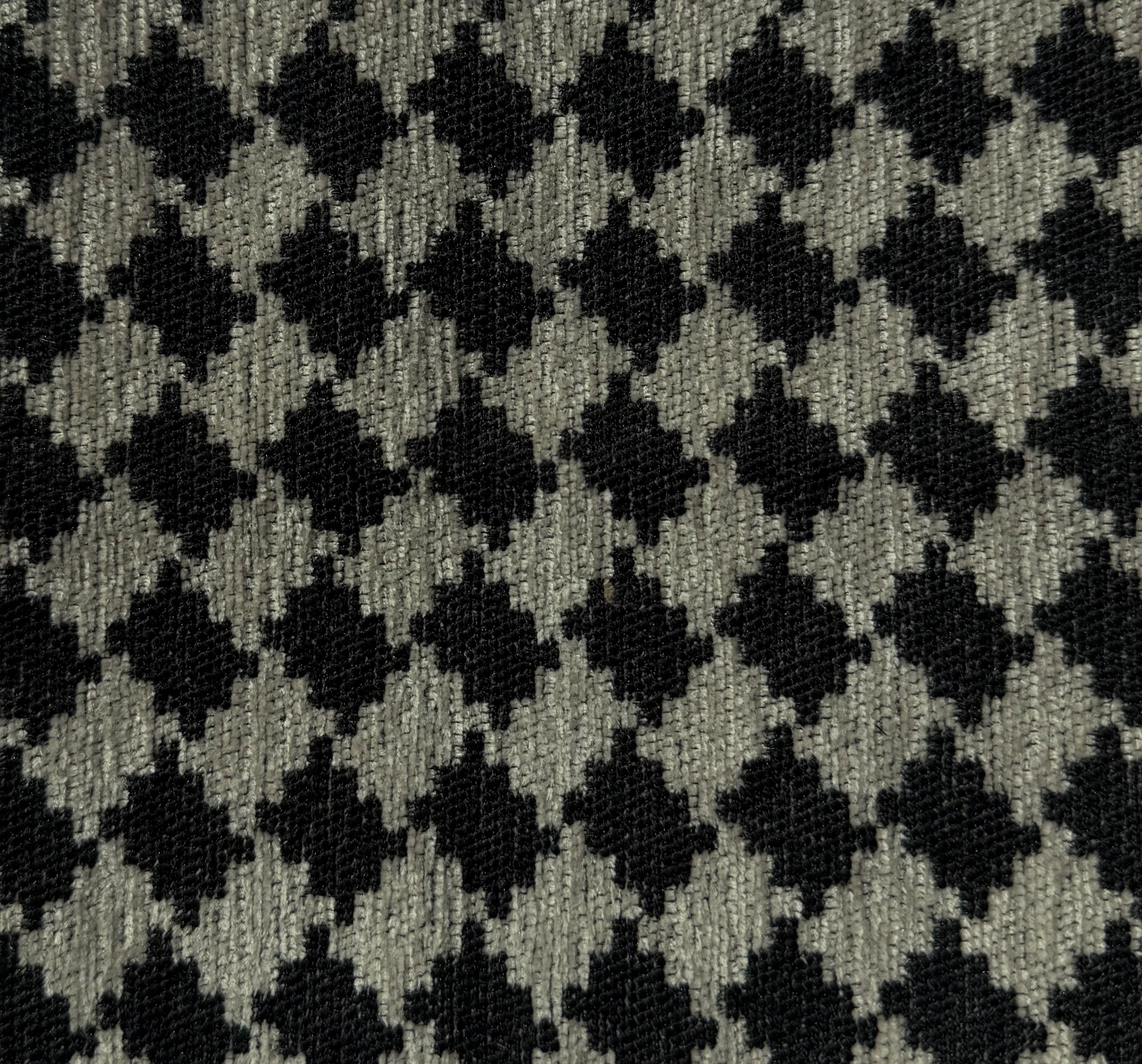
You do not need a ballroom to get the effect. Treat your entry or a powder room like a hotel lobby: one strong, large-scale pattern that greets people and then releases them into quieter rooms. Behind a bed, a textural grasscloth or a soft geometric gives the headboard-wall look that reads as expensive and restful at once.
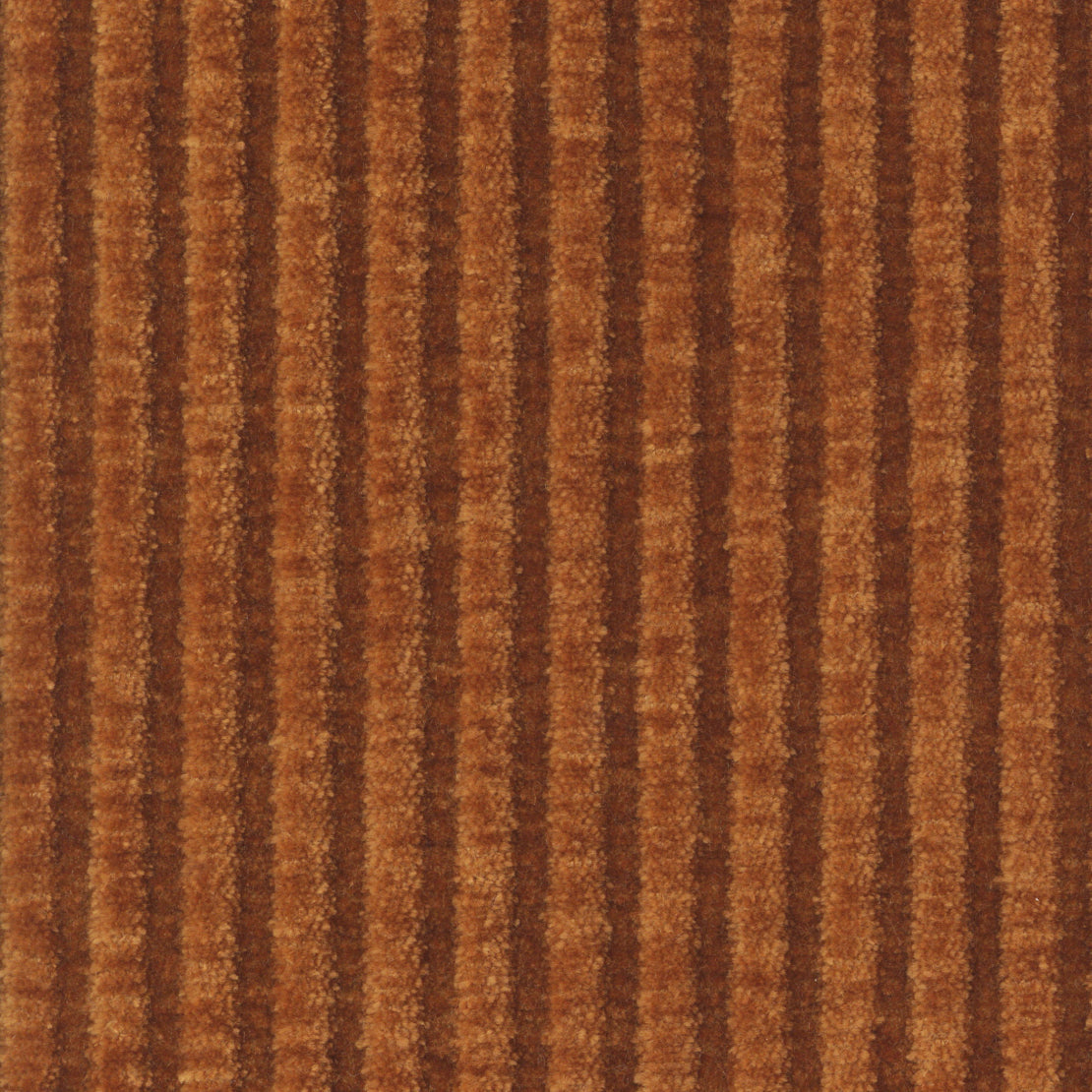
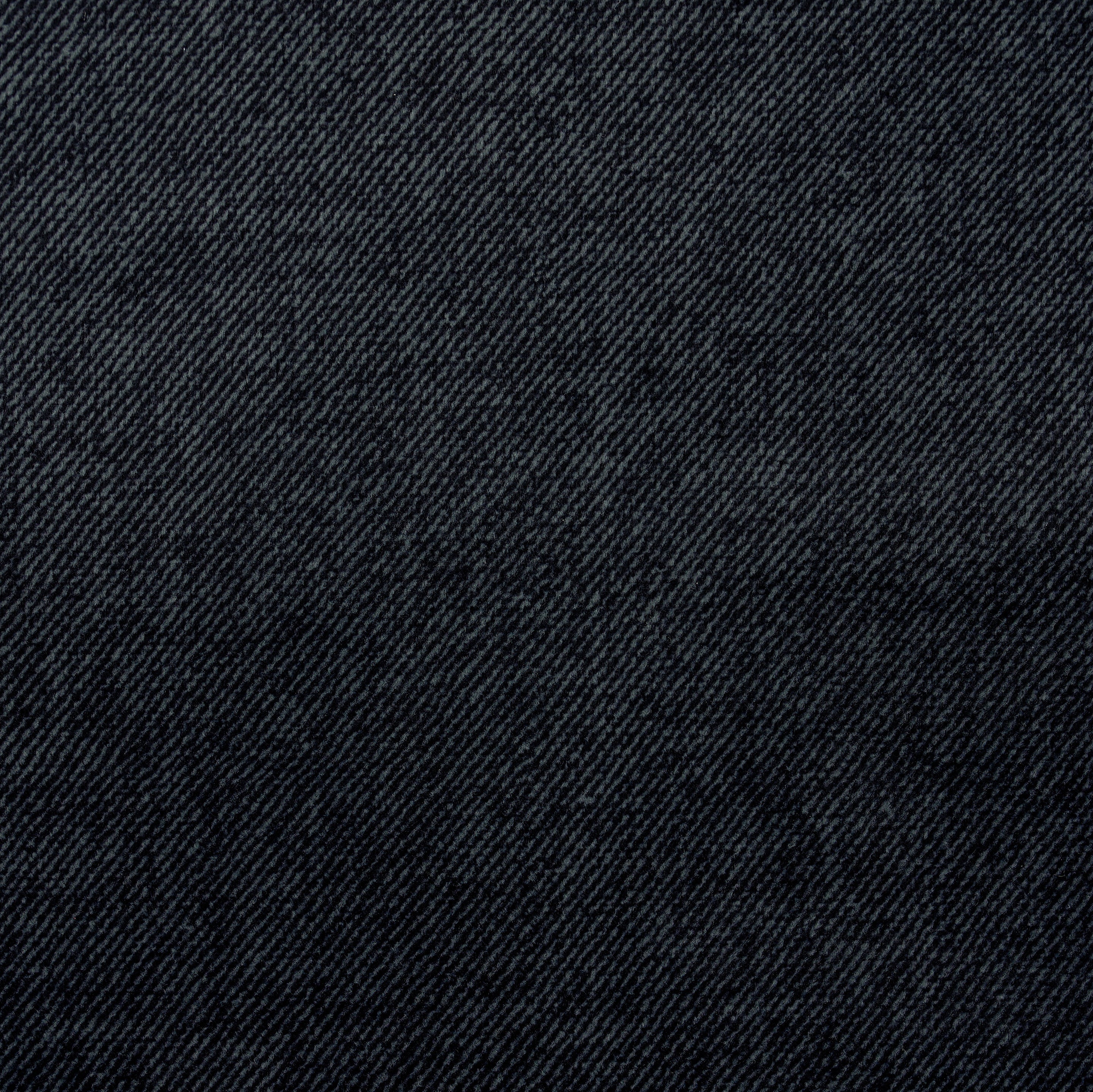
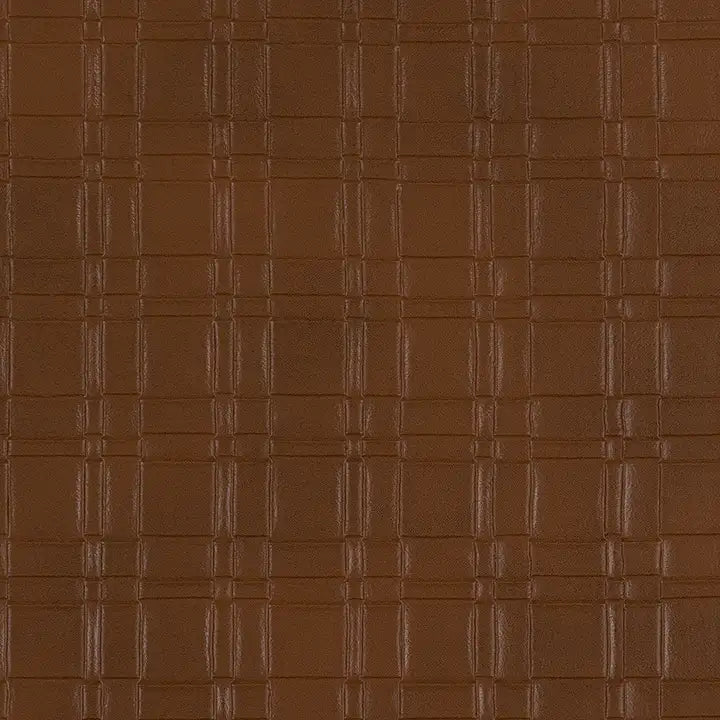
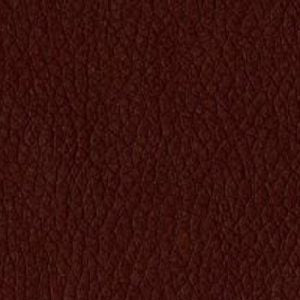
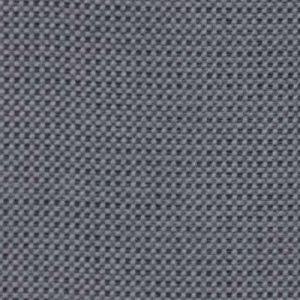
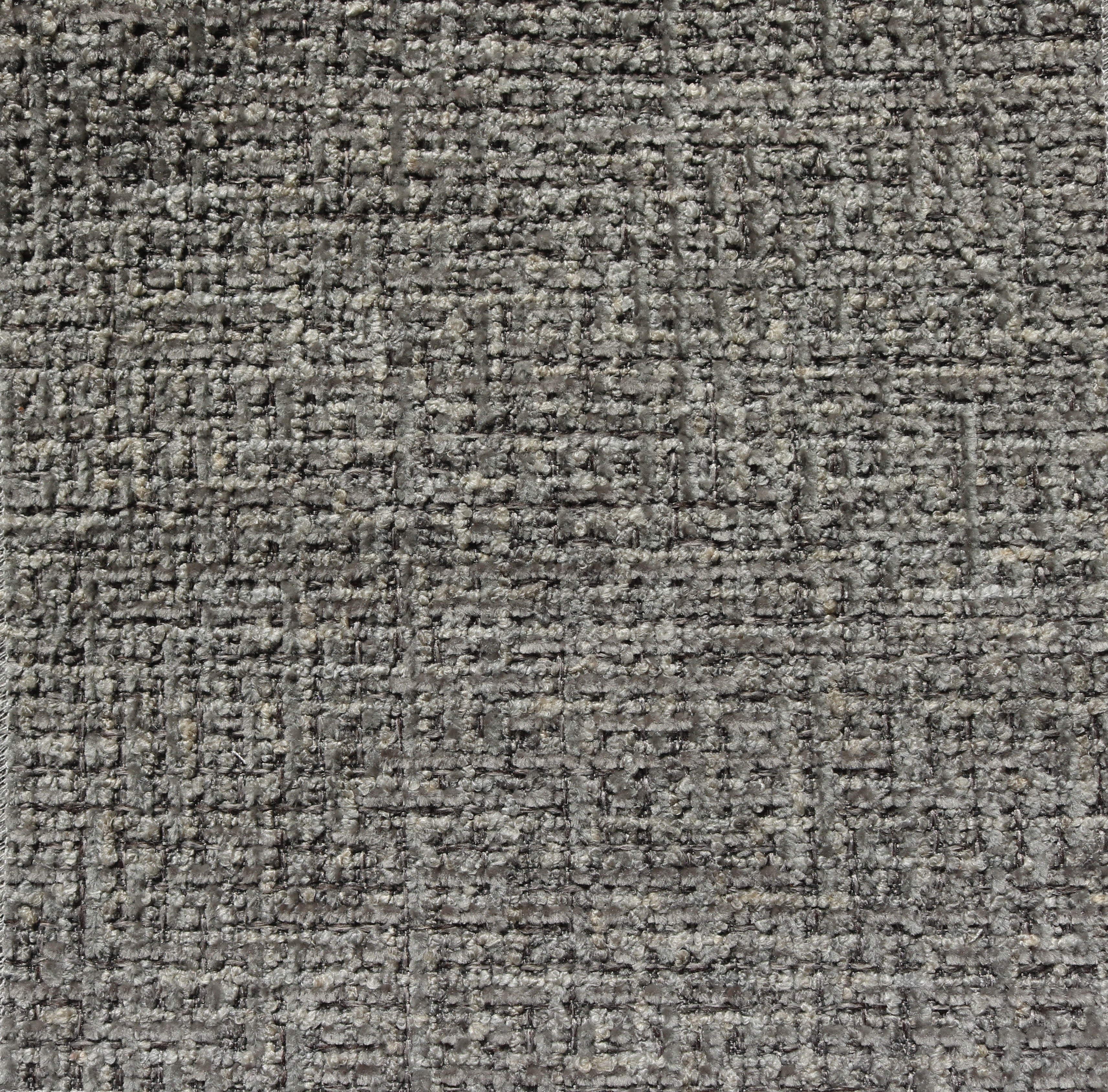
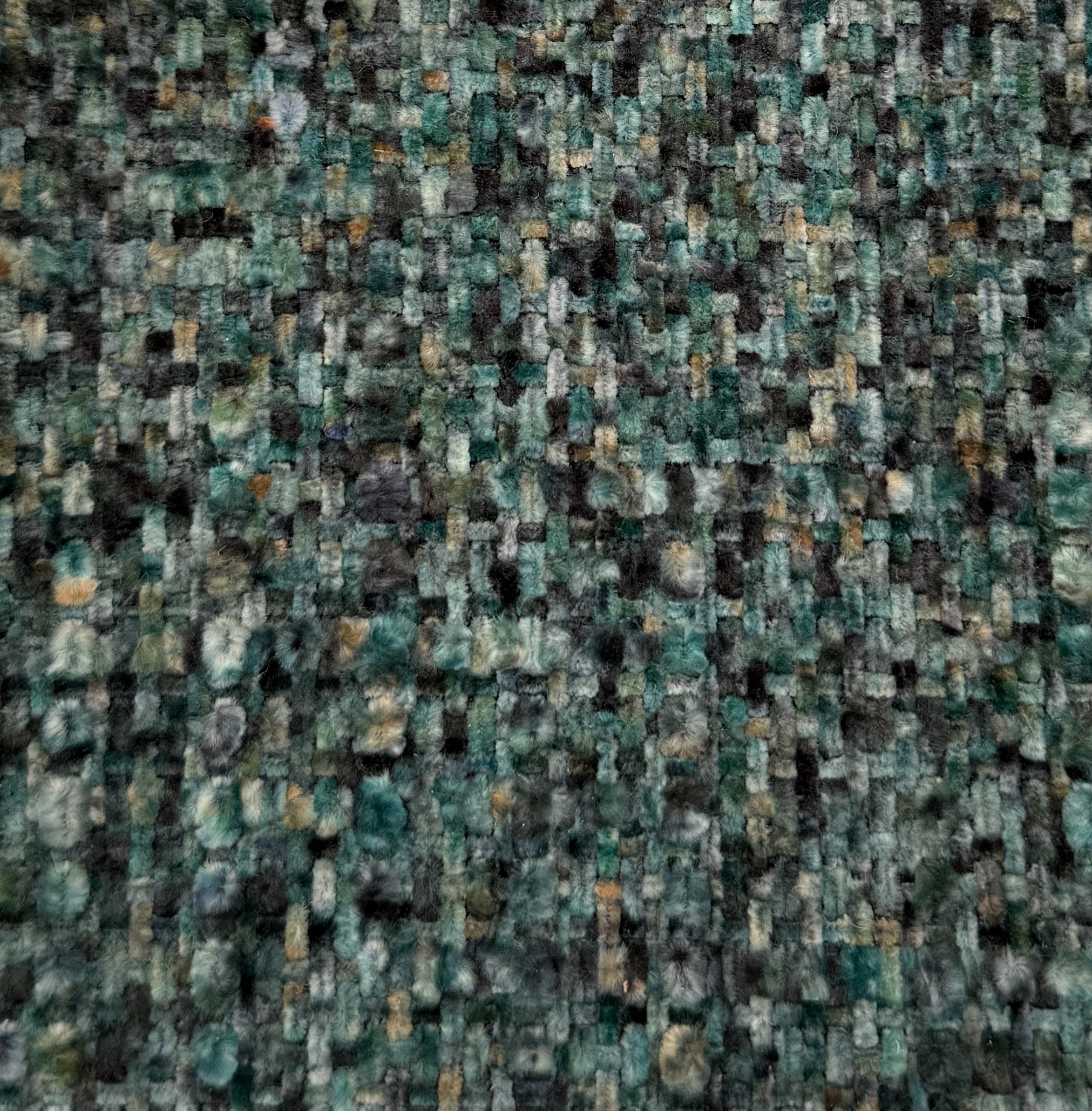
Lean toward materials with a little depth: a woven natural, a subtle metallic, or an embossed finish that catches light. Flat, thin patterns can look thrifty up close, while a covering with real texture is what separates a hotel wall from a rental one.
Quick checklist before you order
- Pick the hero wallGive the boldest pattern to the first wall guests see, then keep adjoining walls quiet.
- Buy for wearIn entries and halls choose a wipeable or textured finish that hides scuffs and fingerprints.
- Chase textureGrasscloth, subtle metallics, and embossed grounds read richer than flat prints under lamplight.
- Rest the bedroomReserve strong pattern for the headboard wall and settle the rest so the room still feels calm.
- Test the lightView metallic and deep-toned samples under your actual evening lighting, not just daylight.
Frequently asked
What makes a wallcovering hotel-grade?
It is rated for durability, cleanability, and fire safety for commercial use, and usually has enough weight or texture to hide wall flaws and survive heavy traffic.
How do hotels make lobbies feel so dramatic?
They concentrate large-scale patterns, metallics, and scenics on the walls you see first, then keep surrounding surfaces plain so the feature wall carries the whole moment.
Can I use contract wallcovering in my house?
Yes. Commercial-rated goods work beautifully at home and last longer in high-traffic spots like entries, stairs, and mudrooms.
Read more
- What 'contract grade' really means for hospitality wallcoveringDouble rubs, Type II vinyl, mildew and stain resistance, cleanability — the durability spec behind the wallcovering you see in hotel corridors and lobbies.
- How wallcovering moves through a hotel FF&E packageFrom the brand standard to the design intent, the spec book, the mock-up room, and the punch list — where wallcovering decisions actually get made on a hospitality project.
- Where hotels use wallcovering, and why those rooms and not othersCorridors, elevator lobbies, headboard walls, and ballroom pre-function — a walk through the guest journey and the design logic behind each wallcovered surface.
- The Quiet Luxury of Hotel Wallcoverings: Beyond Functionality